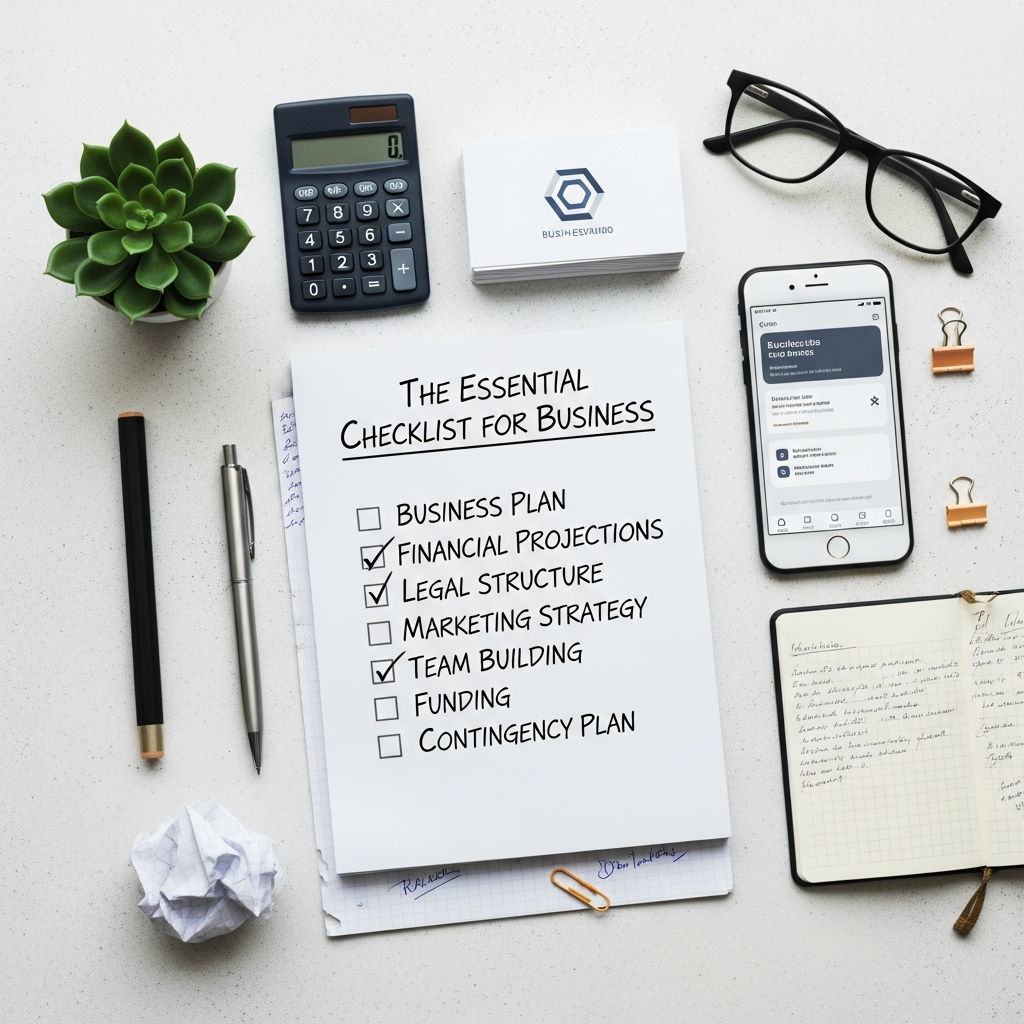
The Ultimate Essential Checklist for Business Success and Growth
Embarking on the entrepreneurial journey or steering an existing enterprise can often feel like navigating a complex labyrinth. With countless tasks, critical decisions, and compliance requirements, it’s easy for even the most seasoned business owners to overlook vital steps. That’s where an essential checklist for business becomes an indispensable tool. It provides a structured roadmap, ensuring that every foundational element is in place, operations run smoothly, and your path to long-term success and sustainable growth is clear.
This comprehensive guide breaks down the critical components into manageable phases, offering a robust framework for anyone looking to build, manage, or scale a thriving business. From the initial spark of an idea to ongoing growth and risk management, this checklist covers the essentials to keep your business on track.
Phase 1: Pre-Launch & Foundation Building
Before you even open your doors or launch your product, laying a solid foundation is paramount. This phase focuses on validating your idea, strategic planning, and handling crucial legalities.
Idea Validation & Market Research
Is there a real demand for your product or service? Understanding your market and competitors is the first step towards ensuring your business has a viable future.
- Define Your Niche and Target Audience: Clearly identify who you are serving and what specific problem you are solving for them.
- Conduct Thorough Market Research: Analyze market trends, assess demand, and understand customer needs through surveys, focus groups, and competitor analysis.
- Validate Your Business Idea and Unique Selling Proposition (USP): Ensure your offering stands out and resonates with your target market. What makes you different and better?
Business Planning & Strategy
A well-crafted business plan serves as your blueprint, outlining your goals, strategies, and how you intend to achieve them. It’s a living document that guides your decisions.
- Develop a Comprehensive Business Plan: Articulate your mission, vision, values, long-term goals, and operational strategies.
- Outline Your Business Model and Revenue Streams: Detail how your business will create, deliver, and capture value, and how it will generate income.
- Create a Detailed Marketing Strategy: Plan how you will reach your target audience, communicate your value, and attract customers.
- Plan for Funding and Financial Projections: Determine your startup costs, operational expenses, and project your revenue, profit, and cash flow.
Legal & Regulatory Setup
Navigating the legal landscape is critical for compliance and protecting your business. Skipping these steps can lead to costly penalties and operational hurdles.
- Choose Your Business Structure: Decide between a sole proprietorship, partnership, LLC, S-Corp, C-Corp, etc., considering liability, taxation, and administrative burden.
- Register Your Business Name and Secure Necessary Licenses/Permits: Check state and local requirements for business registration, operating permits, and industry-specific licenses.
- Obtain an Employer Identification Number (EIN): If you plan to hire employees or operate as a corporation/partnership, an EIN is essential for tax purposes.
- Understand and Comply with Industry-Specific Regulations: Research any specific regulations, certifications, or standards relevant to your industry (e.g., health, food, finance).
- Draft Essential Legal Documents: Prepare contracts (customer, vendor, employee), terms of service, privacy policies, and partnership agreements.
Phase 2: Operational Setup & Infrastructure
Once the foundational planning and legalities are handled, the next step is to establish the practical systems and tools that will enable your business to function efficiently.
Financial Management Essentials
Sound financial management is the backbone of any successful business. This involves setting up robust systems for tracking, budgeting, and securing your finances.
- Set Up Business Bank Accounts: Separate personal and business finances immediately for clarity, professionalism, and tax purposes.
- Choose Accounting Software and Systems: Select tools like QuickBooks, Xero, or FreshBooks to manage bookkeeping, invoicing, and expense tracking.
- Develop a Budget and Cash Flow Projections: Monitor your income and expenditures to maintain financial health and predict future liquidity.
- Understand Tax Obligations and Plan for Them: Be aware of federal, state, and local tax requirements (income tax, sales tax, payroll tax) and set aside funds accordingly.
- Secure Necessary Business Insurance: Obtain general liability, property, professional liability, workers’ compensation, and other relevant insurance policies.
Technology & Tools
In today’s digital age, the right technology can significantly enhance productivity, reach, and customer engagement. Consider what digital infrastructure your business needs.
- Establish Your Online Presence: Secure a domain name, build a professional website, and set up relevant social media profiles.
- Select Essential Software: Implement Customer Relationship Management (CRM), project management, communication (Slack, Zoom), and productivity tools.
- Ensure Data Security and Backup Solutions: Protect sensitive business and customer data with robust cybersecurity measures and regular backups.
- Set Up Email and Communication Systems: Establish professional email addresses and internal communication channels.
Team Building & HR (If applicable)
If your business involves employees, establishing fair and effective HR practices is crucial for attracting talent and fostering a positive work environment.

- Define Organizational Structure and Roles: Clearly outline reporting lines, responsibilities, and key positions within your company.
- Develop Hiring Processes and Onboarding Procedures: Create a systematic approach for recruiting, interviewing, and integrating new employees.
- Establish HR Policies and Employee Handbooks: Document company policies on conduct, benefits, leave, and other employee-related matters.
- Plan for Payroll and Benefits: Set up a payroll system and determine employee benefits packages (health insurance, retirement plans).
Phase 3: Marketing, Sales & Customer Relations
Once your business is operational, the focus shifts to attracting customers, generating sales, and building lasting relationships. This phase is all about visibility and engagement.
Branding & Marketing Launch
How you present your business to the world dictates how it’s perceived. A strong brand and effective launch strategy are key to making an impact.
- Develop a Strong Brand Identity: Create a compelling logo, consistent brand colors, typography, and a distinct brand voice.
- Implement Your Marketing Strategy: Execute your content marketing plan, optimize for SEO, engage on social media, and consider paid advertising campaigns.
- Prepare Launch Announcements and Promotions: Generate excitement and awareness for your business or new product/service launch.
- Set Up Analytics to Track Marketing Performance: Utilize tools like Google Analytics to monitor website traffic, conversion rates, and campaign effectiveness.
Sales Process & Customer Service
Converting leads into loyal customers requires a clear sales process and a commitment to excellent customer service.
- Define Your Sales Funnel and Process: Map out the steps from initial contact to closing a sale, including lead generation, qualification, and follow-up.
- Train Sales Team (if applicable) and Develop Materials: Equip your team with product knowledge, sales techniques, and supporting collateral.
- Establish Customer Service Protocols and Support Channels: Define how you will handle inquiries, resolve issues, and provide ongoing support (email, phone, chat).
- Plan for Customer Feedback Collection and Reputation Management: Implement systems for gathering reviews, testimonials, and addressing customer concerns promptly.
Phase 4: Ongoing Management & Growth
A business is a dynamic entity that requires continuous monitoring, adaptation, and a proactive approach to growth. This final phase focuses on sustaining momentum and planning for the future.
Performance Monitoring & Adjustment
Regularly assessing your business’s health and agility is crucial for long-term viability. Don’t be afraid to pivot when necessary.
- Regularly Review Financial Statements and Key Performance Indicators (KPIs): Analyze balance sheets, income statements, cash flow, sales metrics, and customer acquisition costs.
- Conduct Performance Reviews (employees, processes): Evaluate the effectiveness of your team and internal operations, identifying areas for improvement.
- Monitor Market Trends and Competitor Activities: Stay informed about changes in your industry and adapt your strategies to remain competitive.
- Be Prepared to Pivot and Adapt Strategies: The business landscape is constantly changing; flexibility and a willingness to adjust are essential.
Innovation & Expansion Planning
Stagnation is a threat to any business. Continuously seeking new opportunities and fostering innovation keeps your business vibrant and relevant.
- Allocate Resources for Research and Development: Invest in exploring new products, services, or process improvements.
- Explore New Markets, Products, or Services: Look for opportunities to diversify your offerings or expand into new geographical areas.
- Foster a Culture of Continuous Improvement: Encourage employees to identify inefficiencies and suggest innovative solutions.
- Plan for Scaling Operations and Future Investments: Develop strategies for managing increased demand, expanding infrastructure, and securing future funding.
Risk Management & Contingency Planning
No business is immune to challenges. Proactive risk assessment and preparedness are vital for weathering unexpected storms.
- Identify Potential Risks: Catalog financial, operational, technological, legal, and reputational risks specific to your business.
- Develop Contingency Plans and Disaster Recovery Strategies: Create protocols for handling emergencies, data loss, supply chain disruptions, or economic downturns.
- Regularly Review Insurance Coverage: Ensure your policies adequately cover current and emerging risks.
- Ensure Legal Compliance is Ongoing: Stay updated on changing regulations and maintain all necessary licenses and permits.
Conclusion: Your Living Roadmap to Business Success
This essential checklist for business isn’t a one-time task list; it’s a dynamic, living document that should evolve with your company. By systematically addressing each point, you not only minimize risks and ensure compliance but also build a resilient, efficient, and growth-oriented enterprise. Whether you’re a budding entrepreneur or a seasoned business leader, regularly revisiting and updating your checklist will be a cornerstone of your long-term business success. Start building your ultimate business toolkit today and empower your entrepreneurial journey with confidence and clarity.