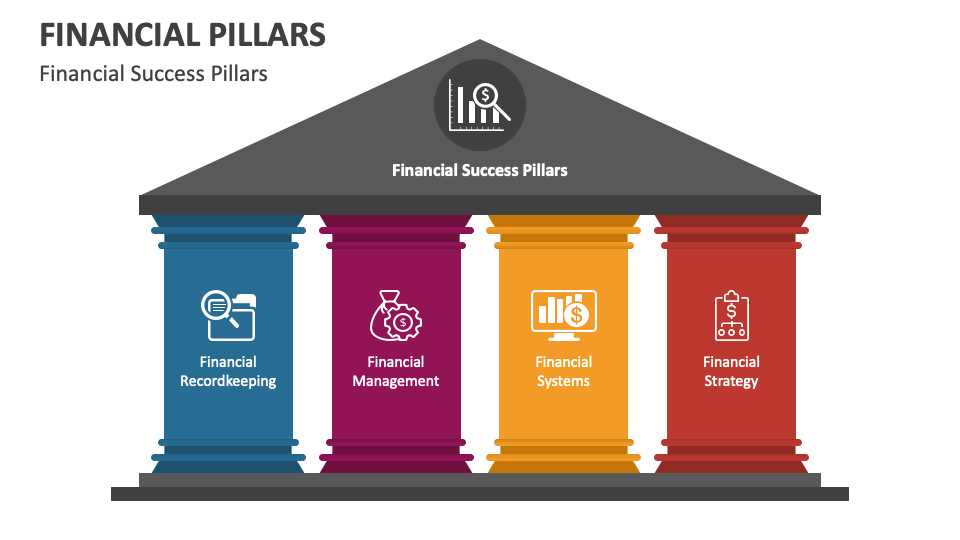
Finance: Understanding the Pillars of Personal and Business Financial Success

Finance is the art and science of managing money, investments, and other financial assets to achieve specific goals, whether personal or business-related. It encompasses a wide range of activities, from budgeting and saving to investment strategies and the management of financial risk. A solid understanding of finance is essential for anyone looking to maintain financial health, grow wealth, or ensure the sustainability of a business.

In this article, we explore the key concepts in finance, the importance of financial literacy, and how it applies to both personal and business finance.


The Core Principles of Finance

At the heart of finance are three primary concepts that influence both personal and corporate financial strategies:

1. Time Value of Money (TVM)

The time value of money is a fundamental principle in finance that suggests money available today is worth more than the same amount in the future. This concept arises from the potential for money to earn interest or generate returns through investment.

For individuals, TVM is a key factor when making decisions about saving and investing. For businesses, TVM plays a role in evaluating investment opportunities, such as whether to invest in new equipment or pursue long-term projects. By applying TVM principles, …

Business Plan: A Roadmap for Success

A business plan is a crucial document that outlines the vision, strategy, and financial projections of a business. Whether you are starting a new venture, seeking investment, or aiming to grow an established company, a well-crafted business plan serves as a roadmap to guide your operations, secure funding, and attract potential partners. It’s a comprehensive tool that helps articulate your business goals, strategies for achieving them, and how to measure success.

In this article, we will explore the key components of a business plan, why it is essential for business success, and how to create a plan that stands out.


Why a Business Plan Matters

A business plan serves several important purposes. Here’s why it’s vital for any business:

1. Clarifies Your Vision

A business plan forces you to define your business idea, objectives, and strategies clearly. It helps you crystallize your vision for the business and identify the steps necessary to achieve your goals. For entrepreneurs, writing a business plan is often the first step in turning an idea into a viable business.

2. Secures Funding

If you are looking to raise capital from investors or financial institutions, a business plan is an essential tool. Investors and lenders want …

How Remote Work Helps Reduce Personal Expenses

Benefits of Remote Work

This adaptability extends to employers, too, who can faucet into a world talent pool unhindered by geographical constraints. Moreover, the improved work-life steadiness of remote work has turn into a crucial factor in fashionable employment selections. Often, in-office workers are favored for leadership roles or profession development opportunities because of more visibility and perceived dedication inside the group. This can lead to a sense of stagnation, diminished motivation, and lack ofremote career developmentamong remote workers, as they might feel their opportunities for progress are curtailed. In addition, remote work also reduces power consumption within offices, as fewer staff working onsite means less electrical energy used for lighting and temperature management.

Read more3 Benefits of Remote Work

At least half of employers responding to remote work surveys report that working from residence reduces employee absenteeism. When you belief your staff to shift their work schedules to accommodate their wants, they’re able to get tasks carried out more efficiently. According to an Owl Labs survey, this was the overwhelming high benefit of remote working. ninety one % of their respondents mentioned it was the principle cause they decided to go remote.

Remote Work vs Office Work: Which is More Productive?

Remote …