


How Lifestyle Amenities Support Modern Family Living
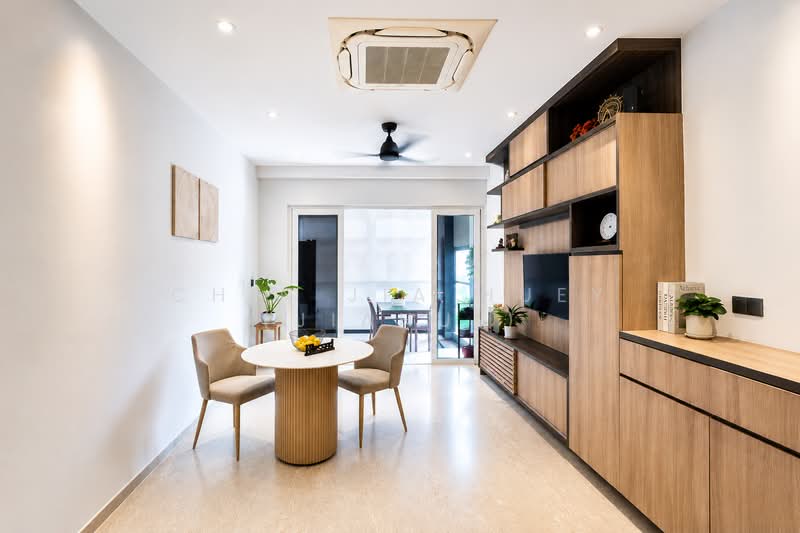
Modern families often have busy and varied routines, making convenience and flexibility increasingly important when choosing a home. A residential development that offers thoughtfully planned lifestyle amenities can support everything from children’s recreation and fitness to relaxation, social gatherings, and everyday family activities. In Singapore, where urban living often means making efficient use of both private and shared spaces, well-designed amenities can extend what a home offers without requiring residents to travel far. The most valuable facilities are those that fit naturally into the routines of different family members.
Creating More Opportunities for Family Time
Family schedules can become complicated when parents work, children attend school, and household members have different activities. Convenient residential amenities can make it easier to spend quality time together.
A swimming pool, landscaped garden, function room, or recreational area can provide a setting for families to relax without organising a separate outing. Having these facilities within the development can make spontaneous activities more practical, particularly on busy weekdays.
Facilities for Children Add Everyday Convenience
Children often need spaces where they can play, exercise, and socialise. Playgrounds, swimming pools, lawns, and safe outdoor areas can provide opportunities for recreation close to home.
Parents can also benefit from having suitable facilities nearby. Instead of travelling to a separate recreational venue, children can enjoy supervised activities within the residential environment. Developments such as The Serra Residences demonstrate why families may consider the range and quality of shared facilities when evaluating a new home.
Fitness Can Become Part of Family Life
Lifestyle amenities can encourage healthy habits for different members of a household. Fitness centres, swimming pools, walking paths, and outdoor exercise areas can support both individual and family activities.
Parents may use a gym while children attend other activities nearby, or the household may take an evening walk together. The convenience of having exercise facilities close to home can make regular activity easier to incorporate into busy routines.
Outdoor Spaces Offer Valuable Flexibility
Landscaped gardens, terraces, lawns, and sheltered outdoor areas can provide families with additional space beyond their private apartment.
Outdoor spaces can be used differently throughout the day. Children may play in designated areas, parents may relax with a coffee, and families may gather for casual meals. Well-designed landscaping can also create a calmer environment while providing useful separation between different activities.
Shared Spaces Support Family Gatherings
Function rooms, barbecue areas, lounges, and communal dining spaces can be useful when families want to host gatherings. Not every apartment has enough space for large celebrations, particularly when several generations or extended family members are involved.
Shared facilities can provide a practical alternative while allowing residents to keep their private homes quieter. Buyers should consider the size, accessibility, booking arrangements, and location of these spaces when evaluating a development.
Amenities Can Support Different Generations
Modern households may include young children, working adults, and older family members with different needs. A residential development should ideally provide a variety of spaces rather than focusing on one particular age group.
Accessible pathways, comfortable seating, landscaped areas, recreational facilities, and convenient lifts can help make shared spaces usable for multiple generations. This flexibility can become increasingly valuable as family circumstances change over time.
Work-Life Balance Starts at Home
Many parents now combine professional responsibilities with household and family commitments. Lifestyle amenities can help create a better balance by reducing the time needed to access exercise, recreation, and relaxation.
A fitness centre within the development can eliminate a separate gym journey, while a quiet lounge or landscaped area may provide a place to unwind after work. Projects such as Dunearn Green highlight why buyers may consider both internal amenities and the surrounding neighbourhood when assessing whether a property supports modern family routines.
Convenience Extends Beyond the Development
Residential amenities are only one part of family convenience. Nearby schools, childcare centres, supermarkets, healthcare facilities, parks, dining options, and transport connections can have an equally important impact.
Parents often need to manage several errands in a single day. A well-connected neighbourhood can reduce travel time and make it easier to combine different activities. Buyers should therefore assess the surrounding area alongside the facilities offered within the development.
Community Spaces Encourage Social Interaction
Family living can benefit from shared spaces that encourage residents to interact. Playgrounds, gardens, pools, and communal lounges can create opportunities for children to meet neighbours and for parents to develop local connections.
These interactions can contribute to a stronger sense of community. However, good planning should balance social activity with privacy and quiet residential areas. Families should be able to enjoy communal facilities without experiencing excessive noise or congestion near their homes.
Technology Can Make Amenities Easier to Use
Digital systems can improve the convenience of shared facilities. Online booking platforms, visitor management, digital access, and smart parcel systems can simplify everyday residential tasks.
For busy families, the ability to reserve a function room or check facility availability through a digital platform can save time. Technology should remain straightforward, however, so that residents of different ages can use it without difficulty.
Maintenance Protects Long-Term Usefulness
Amenities provide lasting value only when they remain clean, safe, and functional. Pools require regular servicing, playground equipment needs inspection, gardens need maintenance, and shared spaces must be kept in good condition.
Families should consider the expected management and maintenance standards of a development. A large selection of facilities may look attractive at launch, but their long-term usefulness depends on whether they can be maintained effectively.
Choosing Amenities That Fit Family Needs
Lifestyle amenities can support modern family living by providing convenient spaces for recreation, exercise, relaxation, social interaction, and gatherings. Their greatest value comes from how naturally they fit into everyday routines.
Homebuyers should focus on facilities that their household is genuinely likely to use rather than choosing a property simply because it offers the longest amenities list. A well-planned combination of indoor and outdoor spaces, supported by convenient neighbourhood facilities, can give families greater flexibility and make daily life easier. When amenities are designed around real family needs, they can become an important part of a comfortable and adaptable residential lifestyle.

Numerica Fund sharpens charitable strategy


