


Numerica Fund sharpens charitable strategy
The Numerica Charitable Fund distributed a record $532,000 to 23 nonprofits in the past year, a 40% increase in grants over the previous 12 months. Established in 2018 by Numerica Credit Union, it has now given more than $3 million to regional groups working to reduce youth poverty and assist vulnerable families.
Focused mission drives growth
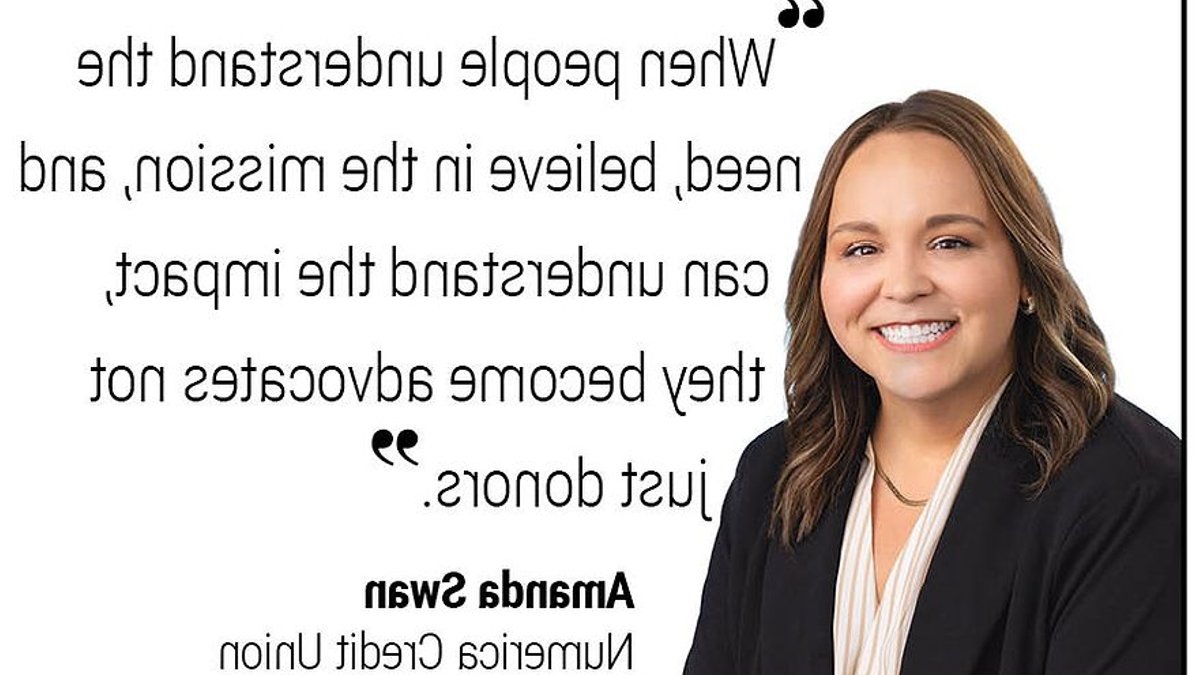
Amanda Swan, Numerica’s vice president of community impact and communications, said the fund’s expansion comes from concentrating on a single mission instead of spreading donations across many causes. “When people know what you’re trying to accomplish, it’s easier for them to join that effort,” she explained.
This strategy has produced steady increases. In 2023, the fund awarded $315,000. The next year, grants climbed to $372,000, and in 2025, they reached $380,000. Recipients include Second Harvest Inland Northwest, Family Promise of Spokane, and the Boys & Girls Club of Spokane County.
Contributions from the credit union, its members, and employees fund the grants. The money supports nonprofits aligned with priorities like educational success, financial stability, and crisis intervention. By setting clear allocation goals, the fund shows donors exactly how their contributions are used.
Related: Universities back AI driven automation plans
Storytelling over statistics
Numerica’s approach to charitable marketing relies on personal stories rather than numbers. Swan noted that sharing real examples helps people connect with the cause. “When donors can picture someone in their community, the issue feels closer to home,” she said.
Transparency also matters. Donors want to see where their money goes and how programs operate. Combining data with individual stories works best. Campaigns that highlight tangible results—such as meals provided or families housed—often engage more than those focused only on fundraising totals.
The Numerica Charitable Fund combines contributions from the credit union, its members, and its employees before distributing grants to nonprofit organizations that align with priorities including educational success, financial stability, income and earning potential, and crisis intervention and family stabilization.
Swan stressed the value of consistent communication, not just during fundraising periods. Focusing on beneficiaries rather than the organization builds trust. “Messages centered on institutional achievements often get less attention than those highlighting individual stories,” she said.
Related: Life Insurance Premiums: Where Does the Money Go
Guilt-based appeals or overwhelming audiences with data can deter donors. Swan suggested presenting a clear problem, offering a realistic solution, and showing how every contribution makes a difference. Follow-up reports and continued storytelling after campaigns help maintain donor confidence.
The fund’s ability to turn donors into advocates may explain its success. “When people understand the need, believe in the mission, and see the impact, they become advocates,” Swan said. This shift from one-time giving to long-term engagement has fueled the fund’s growth.
For now, efforts remain focused on Eastern Washington, North Idaho, the Tri-Cities, and the Wenatchee Valley. Grants in these areas address the root causes of poverty. The next application period opens in the fall, with decisions expected by early 2026.

Universities back AI driven automation plans


