


Ireland’s unions push for pay deal after massive strike
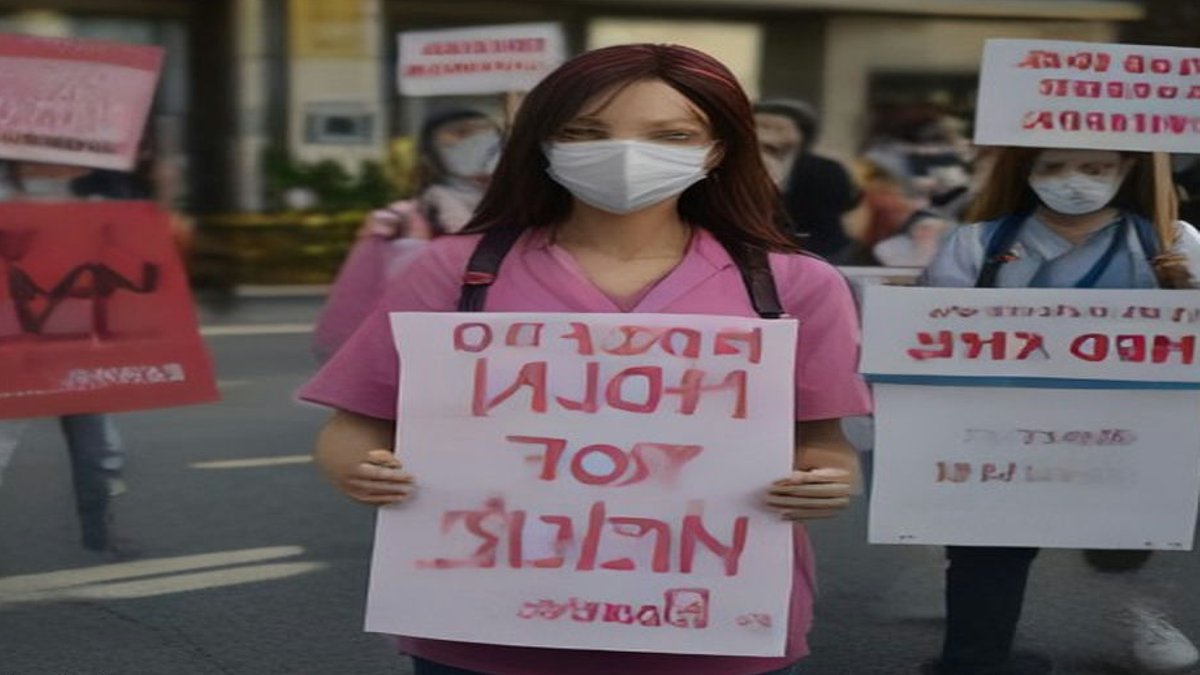
Public sector unions in Ireland demanded progress in pay negotiations following a strike by 300,000 workers that halted services across the country yesterday. The walkout, the largest since the economic crisis in 2009, involved nurses, doctors, teachers, and civil servants, leading to school closures, university shutdowns, and widespread cancellations of medical appointments. The Health Service Executive (HSE) issued warnings about “significant and widespread” disruptions to healthcare delivery.
Public Expenditure Minister Jack Chambers acknowledged the delicate stage of talks with unions, suggesting an agreement could emerge “in the coming hours.” In remarks to RTÉ, he said the €1.2bn he set aside in the Budget was a “starting point” for pay discussions and it was “important that the Government listens.” He said he welcomed “constructive” comments by union leaders and the Government was “listening” to their members.
Union representatives characterized the negotiations as a test of political resolve. Kevin Callinan, general secretary of Fórsa, Ireland’s largest public sector union, stated that workers felt forced into the strike by government delays. Speaking to reporters, he said the Government needed to respond first to those on the picket lines. “I think if he’s sincere in what he says, it may be possible if the Taoiseach intervenes to create a pathway to a resolution,” he said.
Callinan added that the Government’s approach would determine whether the dispute could be resolved. “If that’s the approach, this dispute will continue, and is going to be very intractable,” he said. He also criticized Ministers Peter Burke and James Lawless for doubling down on the Government’s previous stance, saying “That won’t cut it.”
Phil Ní Sheaghdha, general secretary of the Irish Nurses and Midwives Organisation (INMO), said workers are “very, very concerned about the cost of living.” Speaking outside Dublin’s Mater Hospital, he said: “They’re concerned that it’s portrayed that they’re not serious about taking industrial action. They never take industrial action unless it is absolutely necessary. I have never, in all of the disputes we’ve had in nursing and midwifery, seen nurses take that decision lightly.” He added, “The ball is in the Government’s court, and we listen to what they have to say.”


