


Chinese Refineries Scramble as Iranian Oil Exports Collapse
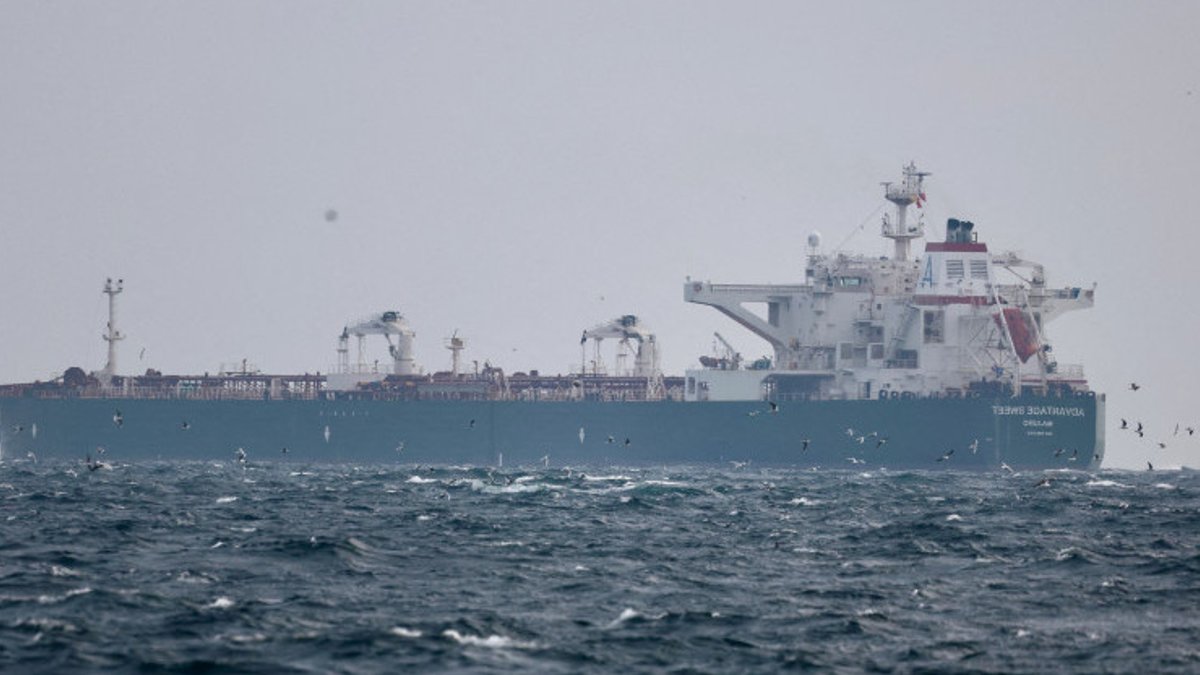
The global oil market is experiencing a shortage of Iranian crude just as China’s demand rebounds. For Chinese refiners—particularly independent operators—this loss of a key, cost-effective supplier is forcing them to seek pricier alternatives, straining supplies worldwide. Meanwhile, Iran’s inability to export its own oil is creating financial strain and raising the risk of further disruptions to the Strait of Hormuz, where daily throughput remains robust at 13 million barrels—just 5 million below pre-crisis levels.
Iran’s Decline as a Global Oil Player
Iran’s oil exports have long been an overlooked but critical component of the world’s supply chain. When Syria’s government collapsed in December 2024, severing a long-standing political and trade relationship, China emerged as Tehran’s sole major buyer, importing an average of 1.4 million barrels per day in 2025.
The US-Israel conflict that began in late February initially boosted Iran’s importance for Chinese refiners. While Tehran blocked other tankers from passing through the Strait of Hormuz, its own shipments continued unimpeded, pushing Chinese purchases of Iranian oil to approximately 1.76 million barrels daily by April. However, this advantage vanished after the US-imposed blockade on April 13, halting loaded vessels from leaving the Gulf and preventing empty tankers from entering. As a result, exports from Kharg Island, Iran’s primary terminal, plummeted from 1.8 million barrels per day in March to just 260,000 in May.
A temporary reprieve came on June 17, when a 60-day memorandum allowed Iranian cargoes to transit. Loadings rebounded to 740,000 barrels per day in June and 890,000 in July. But once the agreement expired in August, shipments collapsed again to 250,000 barrels daily, with no Iranian vessels observed in the Gulf by September.
China’s Refining Sector Under Pressure
China’s independent refiners, clustered in Shandong province, have long relied on discounted Iranian and Russian crude to maintain operations. Now, with those supplies dwindling, they must turn to more distant and expensive sources, including Middle Eastern, West African, and South American grades. By mid-September, ten independent refiners had dispatched traders to Singapore to secure alternative barrels.
Shandong’s ports reflect this shift. Qingdao, a hub serving 12 independent refineries, has increased purchases of Brazil’s Tupi and Buzios blends and begun importing Guyana’s Golden Arrow crude since July. Yet overall intake has dropped to a three-month low of around 150,000 barrels per day.
At Dongying, home to 32 independent refineries along Shandong’s northern coast, Iran and Russia previously accounted for nearly all of last year’s 330,000-barrel daily intake, with Iran supplying roughly one-third. Iranian deliveries tapered off this summer, with only two cargoes arriving in August and just one in September. By September, total intake had fallen to 220,000 barrels per day, prompting refiners to reduce processing levels.
The Chinese government’s decision to allocate an extra 28.05 million tonnes of crude import quotas in late September, raising the annual non-state limit to 257 million tonnes, has done little to ease the crunch. While the quotas provide refiners with more flexibility, they do not address the underlying scarcity or rising costs. Demand for Russian oil has surged, with Chinese buyers driving ESPO crude to a record premium of $28 above ICE Brent. Independents also face competition from state-owned enterprises, which now handle about half of China’s seaborne imports.
Iran’s floating storage has dwindled to 86 million barrels, the lowest since January 2025, with an additional 23 million barrels stranded in the Gulf. Shipments to China have nearly halted, and no new loadings have departed Kharg Island since June. With onshore storage now 60% full, holding roughly 70 million barrels, Tehran will likely be forced to cut production further, making its pre-war output of 3.2 million barrels per day unattainable.
Independent refiners are now scrambling for alternatives, but logistics and costs remain prohibitive. Guyana’s Golden Arrow, for example, is particularly expensive due to high freight rates and a shortage of very large crude carriers.
Global Supply at Risk
Iran’s shrinking oil reserves and blocked exports are tightening global markets. The country’s strategic reserves stand at 1.12 billion barrels, down from 1.25 billion in April, while rebuilding imports without Iranian crude will intensify competition for remaining supplies. Tehran’s financial struggles, compounded by stalled peace talks, are exacerbating tensions. With neighboring producers shipping 13 million barrels daily through Hormuz, Iran has little incentive to maintain the status quo if it means losing revenue.
Floating Stockpile, Strategic Reserve Gaps and Risks to Regional Oil Flows
Iran’s large floating storage allowed continued shipments to China even when new cargoes could not leave the Gulf. Between April and July, Chinese imports fell to roughly half of pre-crisis levels, driven by Beijing’s refinery product export ban, reduced refinery runs, and a gradual shift toward strategic petroleum reserves. China’s combined state- and private-owned reserves sit at 1.12 billion barrels, down from 1.25 billion barrels in April, tightening the supply pool for other sources. The shrinking gap between Iran’s available crude and Chinese demand is becoming increasingly difficult for Tehran to manage.

What Can Influence the Resale Appeal of a Singapore Condominium?

Iraq’s security unravels as U.S. exit weakens defenses
Related Articles
 Earnings Desk

