


10 Amazing Stops for an Australian Road Trip
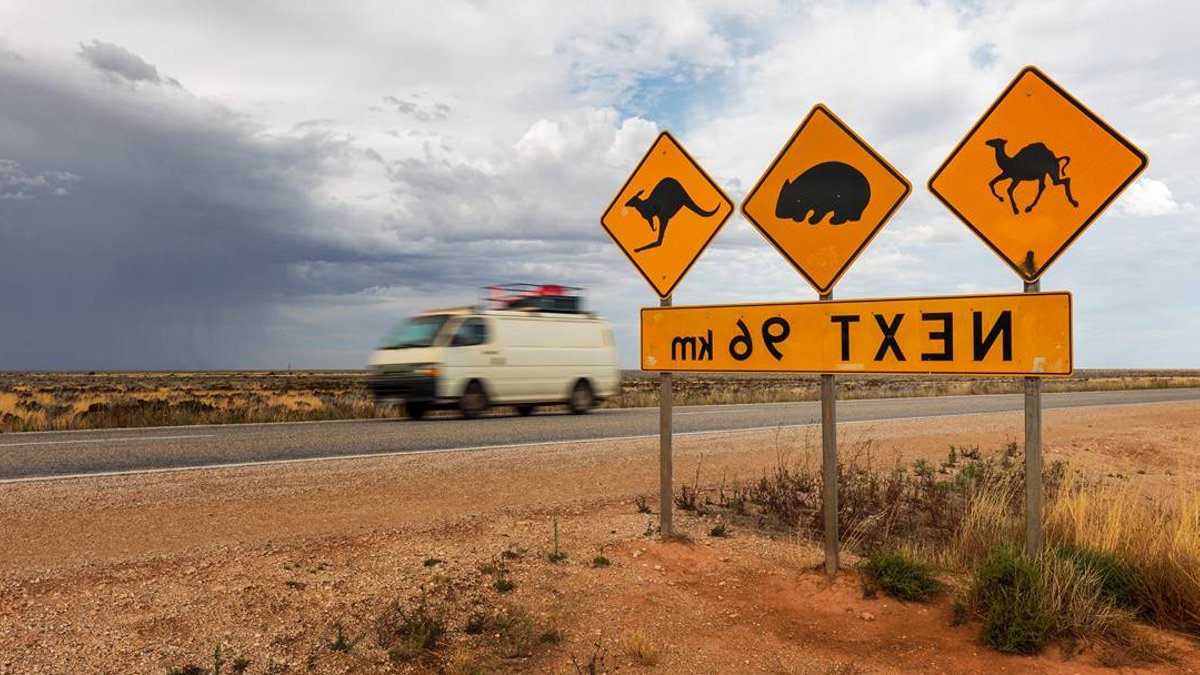
For many Australians, the concept of a “Big Lap” needs no explanation. It is the aspirational road trip that circles the continent, a journey that conjures images of endless bitumen dissolving in a heat haze and campfires under desert stars. The coastline alone stretches nearly 60,000 kilometers, making it impossible to see everything, but a well-planned route ensures travelers catch the most significant sights from the mountains of Tasmania to the heart of the Red Centre.
Cape Tribulation in Queensland offers a rare meeting point where the world’s oldest rainforest touches the world’s largest coral reef. A village and a stretch of sand here separate cassowaries from the ocean. In the Daintree, life has moved at the same pace for tens of millions of years, offering visitors a chance to snorkel the Great Barrier Reef or bathe in ancient forests. Further south, the Blue Mountains offer a stark contrast just an hour from Sydney. These UNESCO World Heritage sandstone cliffs and canyons provide dramatic scenery, from the towering Three Sisters rock formation to the steep drop into the Jamison Valley.
Related: ASX Favourites Earn Second Chance
The scale of the Australian interior demands a break from the coast. K’gari National Park in Western Australia’s Pilbara region represents a universe of gushing waterfalls and sunken gardens carved into 2.5-billion-year-old rock. The island is home to more than 100 freshwater lakes, coloured sands, million-year-old sand blows reaching up to 240m high, 60m-tall satinay trees, ocean rock pools and even a shipwreck. And floating down spring-fed Eli Creek to 75 Mile Beach is the stuff of road-trip dreams.
Tasmania’s Cradle Mountain offers a different kind of wilderness. The sunlit, rosy dolerite peaks reflected in the still waters of Dove Lake draw nature lovers from all abilities. While the gentle circuit around the lake weaves through Ballroom Forest’s myrtle-beech trees, more experienced hikers can tackle the trek to the summit, gateway to the famous Overland Track. Wombats and pademelons are often spotted on the grassy boardwalks near the old boatshed.
Further east, the Great Ocean Road showcases rugged sea cliffs and shipwrecks. While the 12 Apostles draw the crowds, the route is filled with misty rainforests and waterfalls. Climbing the Cape Otway Lightstation, Australia’s oldest working lighthouse, offers goosebumps-inducing views over the ocean. The region’s inland towns, like Apollo Bay, provide a salty seaside respite between the natural wonders.
Related: Staying too long can hurt your career
South Australia’s Mount Gambier/Berrin presents an upside-down town defined by underground curiosities. The sapphire-hued Blue Lake sits in the center of the city, but the region is also pockmarked with limestone caves and volcanic craters. Wander the sunken garden at the Umpherston Sinkhole or snorkel a 60-meter-deep sinkhole in the middle of a sheep paddock. It is a setting sculpted by ancient seas and volcanic activity.
For those seeking marine encounters, Ningaloo Reef in Western Australia offers the chance to swim with whale sharks. Located between Exmouth and Coral Bay, this massive fringing reef is accessible from the shore. Inland, Cape Range National Park features dramatic gorges tumbling down to the Indian Ocean, with Turquoise Bay frequently ranked among the country’s best beaches.
Island hopping provides another perspective on the continent. K’gari, or Fraser Island, is the world’s largest sand island, less than an hour’s ferry ride from Hervey Bay. It is home to over 100 freshwater lakes, colored sands, and million-year-old sand blows reaching heights of 240 meters. Floating down the spring-fed Eli Creek to 75 Mile Beach is a highlight for many travelers, though the brilliant white silica sand of Lake McKenzie requires no filter to look beautiful.
Related: Remcon Appoints New Chief Executive Officer
Completing the circuit usually involves a detour to the Red Centre. Uluru and Kata Tjuta offer a journey to the geographical and spiritual heart of the country. The sheer magnitude of the rock, standing 348 meters tall, and the 36 soaring domes of Kata Tjuta provide a humbling experience. Seeing the colors shift at sunrise and sunset, or watching the Wintjiri Wiru desert drone show, connects visitors to the Anangu Traditional Owners and the land.
Even with a carefully curated list of stops, a full lap remains a daunting task. The diversity of the terrain—from the wet tropics to the arid Pilbara—means that any road trip is as much about the journey as the destination. Planning a route that balances these distinct environments ensures the experience is as vast as the country itself.

ASX Favourites Earn Second Chance


