


U.S. Iran Revive Talks to Resolve Hormuz Standoff
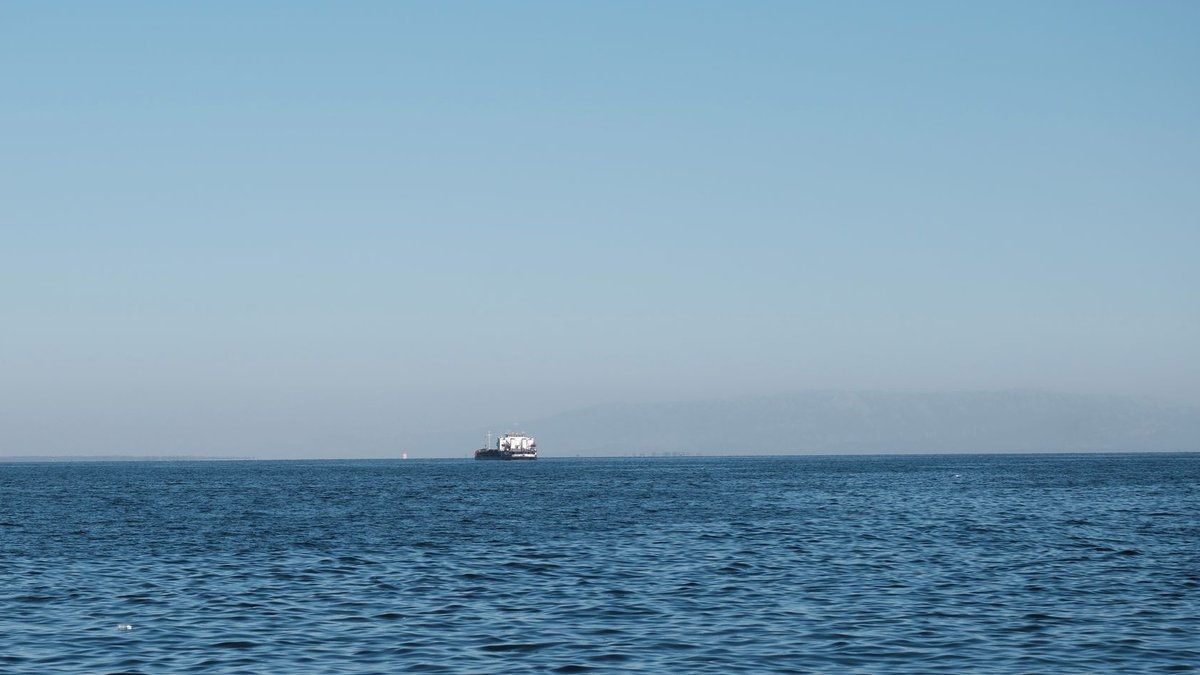
U.S. and Iranian negotiators have returned to talks in New York, reviving a preliminary agreement from June aimed at ending the ongoing standoff over the Strait of Hormuz. The discussions center on a phased plan where Tehran would restore commercial shipping through the strategically vital strait while Washington begins easing trade restrictions. Access to Iran’s frozen assets is also under negotiation, as the U.S. recently imposed new sanctions blocking Iranian flights. The negotiations, mediated by Qatar, Pakistan, and increasingly Egypt, follow Iran’s proposal for a regionwide ceasefire lasting up to 60 days and a timetable to address remaining disputes.
Negotiations and Regional Mediation
Iran has shown some flexibility on tolls imposed on shipping through the strait, with Reuters reporting Tehran might move the issue into a separate annex rather than insist U.S. acceptance of the charges as a condition for the main agreement.
However, Iran has not relinquished its claim to administrative control over the strait. U.S. officials, including former President Trump, have stated they will not lift the naval blockade until Iran demonstrates sufficient goodwill. Tehran countered that the strait will remain closed until U.S. military pressure eases and the blockade is lifted. Gulf states, meanwhile, are pushing for their own bilateral negotiations with Iran rather than relying solely on the U.S.-Iran framework.
Eighty countries issued a joint statement Thursday urging the strait to reopen without tolls, conditions, or charges. While diplomacy has intensified compared to a week ago, the talks have produced another roadmap rather than a finalized agreement. The UAE is accelerating efforts to bypass Hormuz entirely, with Etihad Rail launching a new freight service linking Fujairah to Abu Dhabi’s industrial zone. The route, running three times weekly, offers an alternative for cargo diverted from Hormuz, which has seen heavy disruptions since the Iran conflict began. This expansion complements existing infrastructure in Fujairah, including ADNOC’s 1.5 million barrels per day Habshan pipeline and a major oil storage and bunkering complex.
Gulf Infrastructure and U.S. Energy Plans
Saudi Arabia is also bolstering freight capacity, ordering 780 railcars from U.S. manufacturer Greenbrier, including tank cars for phosphoric acid and molten sulfur.
Gulf governments are prioritizing transport networks to maintain trade flows when maritime routes are disrupted. The U.S. has proposed a $5 billion plan to rebuild Gulf energy infrastructure, with a parallel $10 billion fund—half financed by Washington and half by regional governments—to repair damaged pipelines, refineries, and construct new export routes bypassing Hormuz. Talks with Saudi Arabia, the UAE, Qatar, Bahrain, Kuwait, Oman, Iraq, and Jordan are ongoing, though no country has committed funding yet.
Related Post: Nanosonics investors raise concerns before product launch
The latest negotiations build on the June framework, which briefly ended hostilities before tensions reignited. Regional involvement, particularly from Gulf states, reflects growing concerns that a bilateral U.S.-Iran deal may not adequately address broader security needs. The clock remains critical, as delays risk prolonging economic strain across the region.
Russia’s Election and U.S. Troop Withdrawal
United Russia secured a record majority in Russia’s parliamentary election, winning 57.83% of the vote and 355 of 450 State Duma seats. The results solidified the party’s dominance under Vladimir Putin as the conflict with Ukraine enters its fifth year.
Opposition groups were largely excluded, with OSCE observers barred from monitoring. Putin framed the vote as a referendum on war support, giving the Kremlin legislative control needed for constitutional changes.
The U.S. plans to complete troop withdrawal from Iraq by September 30, though Iraqi Kurdistan may retain personnel temporarily.
Baghdad is revising disarmament deadlines for pro-Iranian militias like Kataib Hezbollah, which reject full integration. The U.S. seeks to transfer their missile and drone capabilities to Iraqi forces over time, though Tehran-aligned groups remain influential.
Corporate Moves in Energy and Merger
The U.S. Export-Import Bank finalized a framework with Argentina for up to $7 billion in financing through 2027 for energy and minerals.
Read Also: White House Rejects Diesel Export Ban Amid Rising Prices
The funds could support Argentina’s $51 billion LNG project led by YPF, Eni, and Abu Dhabi’s XRG, though specific allocations remain unconfirmed.
BP entered Devon Energy’s data room to evaluate its Eagle Ford assets, valued at $4.5 billion. The acquisition would extend BP’s presence in the basin, where it already produces 205,000 barrels of oil equivalent daily.
Devon’s Q2 output reached 77,000 boepd across 90,000 net acres.
Saudi Aramco restructured its corporate hierarchy, creating a dedicated gas division to oversee domestic production and LNG operations. The move aligns with its goal to increase gas sales capacity by 80% by 2030, driven by the Jafurah field and international partnerships.
Rosneft’s Arctic Export Expansion
Russia launched commercial exports from Rosneft’s Vostok Oil project via three ice-class tankers from the Bukhta Sever terminal.
Initial shipments target Western and Asian markets through the Northern Sea Route. Full production aims for 30 million tonnes annually by 2027 and 50 million by 2030, pending icebreaker availability.

White House Rejects Diesel Export Ban Amid Rising Prices


