


Putin secures legislative dominance amid Russia’s deepening economic strain
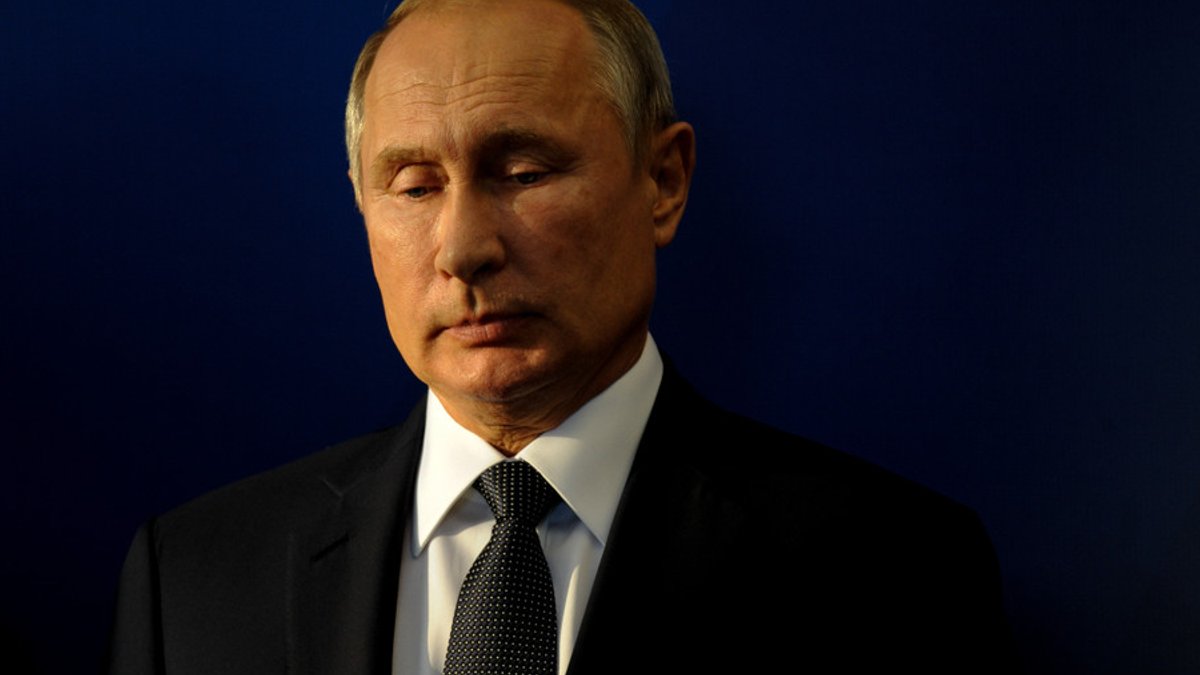
Russia’s parliamentary election delivered President Vladimir Putin his largest legislative majority ever, though the economic burden on the Kremlin is intensifying. United Russia, the governing party, now controls 349 of the 450 State Duma seats, while 50 veterans of the Ukraine conflict entered parliament as part of a Kremlin-backed slate.
The Kremlin’s political dominance remains intact, but economic strain is mounting. Moscow forecasts growth of just 0.6% this year, with capital investment declining and interest rates fixed at 14%. By August, the federal budget deficit had ballooned to 5.8 trillion rubles, while oil and gas revenues dropped 16.7% compared to earlier estimates. Over half of senior Russian business leaders surveyed by RBC expect conditions to worsen before year’s end.
Despite these challenges, the war in Ukraine continues to consume resources without weakening the Kremlin’s resolve. Unemployment remains extremely low, real wages are rising, and high oil prices may add as much as 1 trillion rubles to the liquid portion of the National Wealth Fund this year. The government’s budget makes its priorities clear: military spending will rise 27% next year to 17.1 trillion rubles, funded through higher taxes, increased borrowing, and cuts to other sectors.
Kremlin tightens grip on assets and data
Yet economic stability remains fragile. GDP growth is now projected at just 0.5% this year, and investment has fallen for five consecutive quarters. Corporate profits declined 13.3% in the first half of the year, with one-third of Russian companies operating at a loss. Only 9% of major businesses surveyed by the Russian Union of Industrialists and Entrepreneurs said they had the resources to participate in Putin’s proposed new investment drive. VTB chief Andrei Kostin cautioned that the government’s seizure of 7.6 trillion rubles in assets since 2022 has made businesses reluctant to invest further.
Related Post: U.S. diesel export ban could worsen fuel costs
Russia’s economic squeeze is also tightening its control over foreign assets and data. During the election, Putin’s administration seized assets from Nestlé and the French retail group Auchan, followed by Germany’s Metro wholesaler shortly after. On September 28, Moscow restricted access to data on Russian oil production, refining, and transportation—actions that came after Ukrainian strikes on refineries near Moscow, Samara, and Bashkortostan. The attacks have worsened domestic fuel shortages, prompting the government to extend a ban on diesel exports to preserve supplies at home. The data restrictions further obscure the true impact of Ukraine’s strikes on Russia’s energy infrastructure.
War’s financial toll and nuclear escalation threats
The war’s financial toll is rising. Moscow’s expected 2026 budget deficit has doubled to over 3% of GDP, and Ukrainian strikes have caused physical disruptions that consumers are beginning to feel. The shutdown of a Moscow refinery this month, for instance, deepened fuel shortages and led to the extended diesel export ban. Meanwhile, Russia threatened to use the entire arsenal of forces and capabilities at its disposal, including nuclear weapons, if NATO tried to isolate Kaliningrad, a heavily fortified exclave between Poland and Lithuania, showing the Kremlin’s willingness to escalate tensions without direct conflict.
Washington’s response remains unclear. President Trump signed sweeping new Russia sanctions legislation on September 18, granting him expanded authority to target Russian energy revenues and countries purchasing Russian oil. Yet Trump has also complained that Ukrainian refinery strikes are pushing up diesel prices. Putin envoy Kirill Dmitriev was in Washington this week meeting Treasury and Energy officials about possible U.S.-Russia energy projects after the war.
There are even reported discussions over sanctions relief in exchange for Moscow releasing political prisoners. Former U.S. sanctions coordinator Daniel Fried says Trump now has the tools to squeeze Russian oil revenues but is sending mixed messages about whether he intends to use them. For Putin, that leaves Washington looking considerably less hostile than Europe. Trump can tighten the screws on Russian oil tomorrow, but he is still talking business with Moscow today.

Iraq’s security unravels as U.S. exit weakens defenses


