


Floating Power Plants Expand Renewables Beyond Land Limits
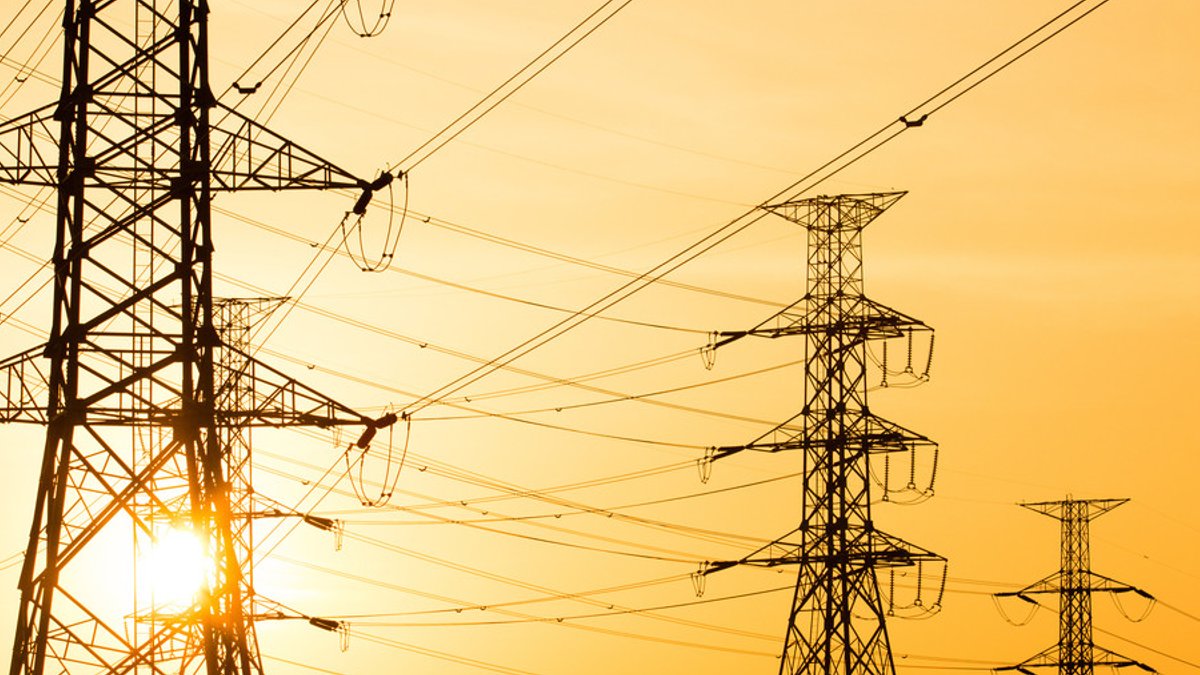
Floating power plants are emerging as a potential solution to the growing constraints on land-based renewable energy development. As utility-scale solar and wind farms face increasing legal challenges from local communities and physical space limitations, these water-based energy systems offer a novel approach to expanding clean energy capacity. The renewable revolution is running out of space, but an enormous expansion of clean energy resources remains critical to limiting global warming to 1.5 Celsius above pre-industrial levels.
Water-Based Energy Solutions
These floating power plants can take various forms, from converted ships to barges and fixed buoy arrays. The first such system, the SS Jacona, was a cargo ship converted into a power source for the U.S. Northeast coast in 1931. Modern iterations include floating solar panels, tidal and wave energy converters, and even nuclear reactors placed on waterborne platforms. Their ability to operate without occupying valuable land makes them particularly attractive for densely populated coastal regions where space is scarce.
Russia has been operating floating nuclear power plants since 2019, providing electricity to remote populations in Siberia. Similarly, the Mediterranean, Norway, Japan, and India are considering or planning such installations. In Taiwan, where energy independence is tied to national security due to geopolitical tensions with China, floating solar farms present a strategic alternative. A recent study found these systems can be more efficient than land-based counterparts because seawater naturally cools the panels, improving performance.
Strategic Applications for Coastal and Remote Regions
Floating power plants serve both permanent and temporary needs. They can supply entire cities like Pevek in Russia and Luanda in Angola, or provide emergency power during natural disasters or infrastructure failures. Mining operations also benefit from these portable energy sources. The University of Michigan is testing wave energy converters on Beaver Island in Lake Michigan to supply electricity to the isolated population, combining cost savings with energy independence and reduced environmental impact.
“It’s a combination of looking at cost savings and also wanting to be independent and not dependent on the mainland for everything,” said Seamus Norgaard, a summer resident of Beaver Island. “And then also the environmental outlook,” he added.
Expanding Renewable Capacity with Minimal Footprint
From a broader perspective, offshore floating solar is not just a technical alternative but a strategic solution for countries with limited land resources that can help expand their renewable energy capacity while still meeting environmental and land-use constraints, according to a study author quoted in the report. This approach aligns with global efforts to diversify energy sources and reduce dependence on fossil fuels, especially as energy security becomes a top priority worldwide.

Putin secures legislative dominance amid Russia’s deepening economic strain


