


Vanishing Welsh villages remembered
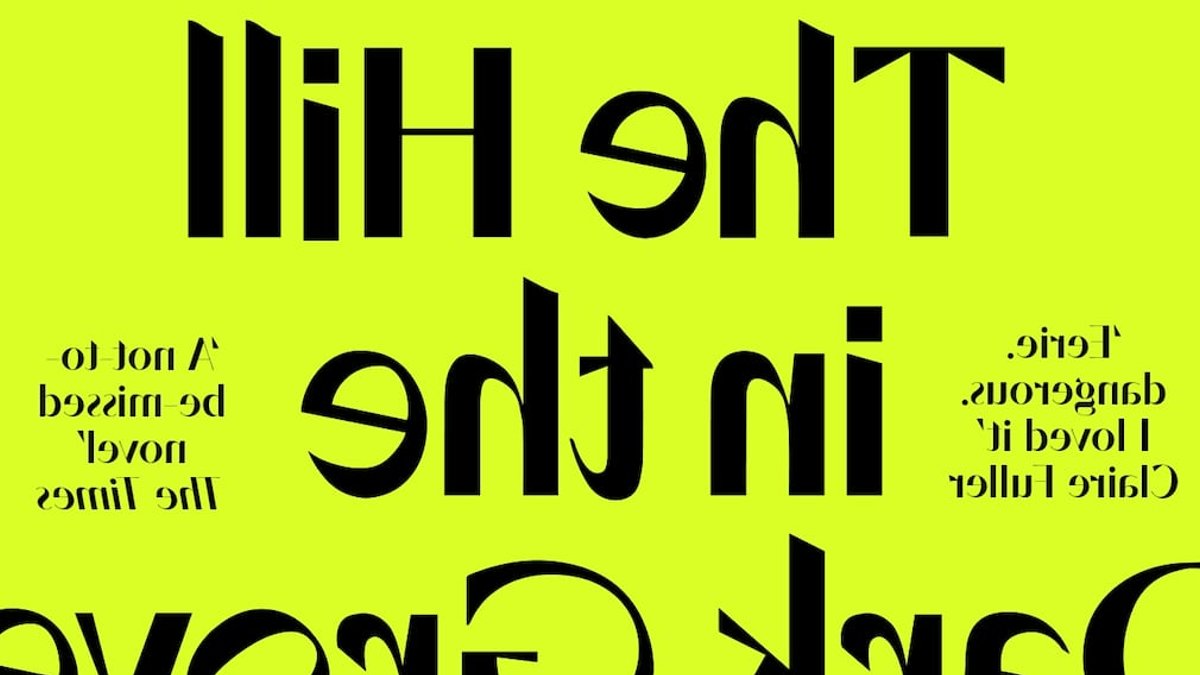
A debut novel set in the mountains of North Wales examines the decline of a sheep farm and the family running it as economic and social forces alter rural life.
The last of the hill farmers
The Hill in the Dark Grove, by Liam Higginson, tells the story of Carwyn and Rhian Gwynnant, the final generation of farmers working their hillside land in Eryri. Their situation grows harder each season. Farming income keeps falling, and nearby villages empty as families sell to buyers from cities who use the homes only a few weeks a year.
Carwyn sees the area changing into what he calls “Disneyland with sheep and mountains.” The novel focuses on his growing preoccupation after he digs up a prehistoric stone head on their property. The discovery leads him to a ring of 12 standing stones encircling an old burial site. As he continues digging, thoughts of lasting legacy take over his mind. The stones, Higginson explains, “represented something that endured, that would not rot or burn or melt away.”
The Gwynnants have no children to take over the farm. Carwyn’s focus on the past clashes with Rhian’s view that her life has value without needing monuments. “That was her monument,” the book states. “She did not need it told in myth or built in stone.”
Folklore and the weight of the past
Higginson, raised in rural North Wales, blends local history and tales into the narrative. The gwyllion—supernatural women said to wander mountain roads—appear alongside a dark version of the Mari Lwyd, a Welsh midwinter custom involving a horse’s skull carried door to door. The book’s 12 chapters match the 12 stones, with pieces of myth woven through centuries.
The story’s horror stays understated, mixing psychological strain with hints of the supernatural. As winter nears, Rhian lives with a husband she barely knows. The uncertainty remains: has Carwyn awakened something old, or is his obsession the real threat?
Related: Guide to Vietnam Permanent Residence Applications
Their marriage, once built on shared struggle, frays. Memories show the life they created, making Carwyn’s shift—and Rhian’s fear—more unsettling. The book examines what survives when a way of life fades, and whether the urge to leave a mark can ruin the life still happening.
Similar challenges affect rural areas across Europe. Gentrification, aging populations, and financial pressures on farming have reshaped many communities. Higginson’s work stands out by connecting these modern struggles to older, deeper anxieties. The past here isn’t just scenery; it actively shapes the present.
A brutal, quiet horror
The most disturbing parts of the novel avoid the supernatural. A failed lambing season, a maggot-infested sheep, and a violent market incident ground the story in farming’s harsh reality. Higginson includes every detail. A broken egg, a neglected coop, the farm’s slow decay all signal a larger collapse.
Higginson’s background is unusual for a writer. He worked as an accountant, a cook in France, and a consultant before managing an arcade at Llandudno Pier. His lack of formal training doesn’t show. The book excels in its sense of place, its grasp of rural pressures, and its refusal to simplify complex issues.
The Hill in the Dark Grove fits the gothic horror genre, but its true focus is endurance. The stones Carwyn finds have lasted millennia. The farm, the marriage, and the community may not survive another decade.
For those interested in how rural areas adapt to change, investment strategies in similar regions offer another perspective on preserving local identity.

Hue Attracts Investors With 3 Key Factors


