


Universities back AI driven automation plans
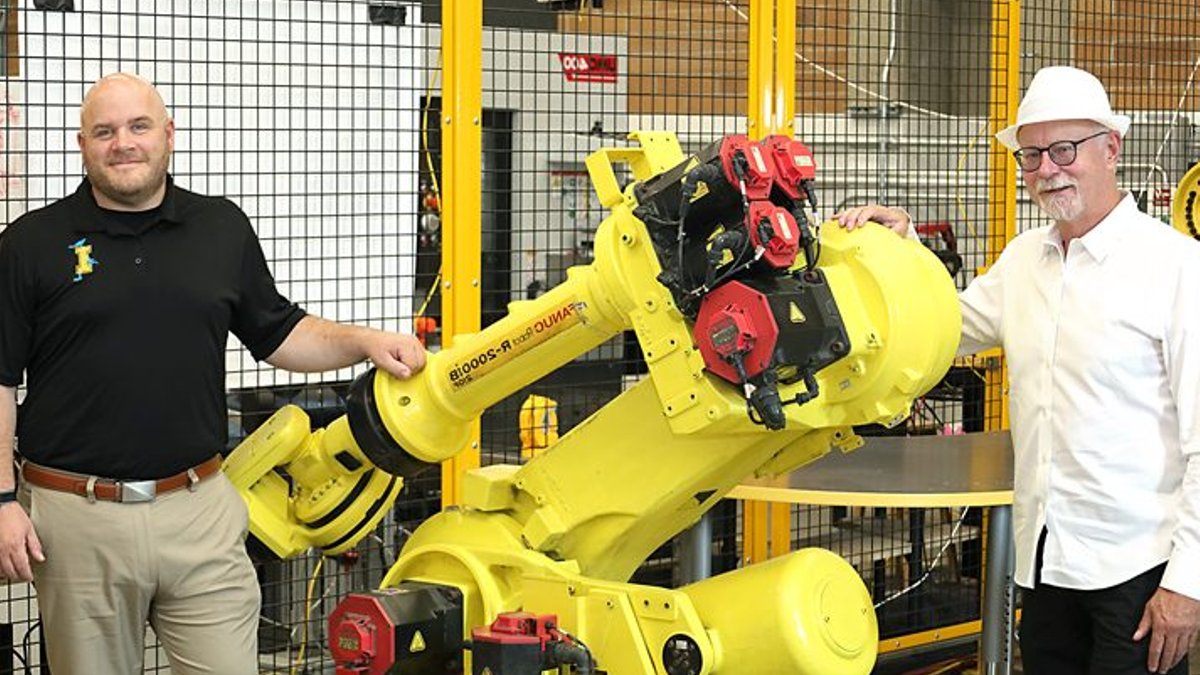
Universities in North Idaho are teaming up with regional manufacturers to embed AI-powered automation into assembly lines, a move officials say is reshaping production efficiency.
University programs drive AI projects for local factories
John Shovic, director of the University of Idaho’s Center for Intelligent Industrial Robotics, explained that the center collaborates with North Idaho College’s Industrial Robotics and Automation program to supervise master’s and doctoral projects for nearby manufacturers. Students from the two programs are applying artificial intelligence to real‑world assembly lines, helping companies modernize operations.
Participating firms include Altek Inc., Schweitzer Engineering Laboratories, H&H Molds, Idaho Forest Group, Metal Rollforming Systems and Inland Empire Paper. These contracts focus on solving automation challenges through AI, ranging from robot arms that can adapt to varying tasks to vision systems that spot defects.
Related: Rehab Hospital Planned for Post Falls Community
Shovic noted that AI’s role falls into two categories: software that gathers and analyzes data to uncover inefficiencies, and physical AI such as machine‑tending robots that can see, communicate, and operate CNC equipment much like a human worker.
Case studies show measurable productivity gains
At H&H Molds, a 2025 partnership with the university’s robotics center led to the installation of a machine‑vision system that enables robots to detect and correct manufacturing errors. The company reports that productivity has doubled since the system’s deployment, though it has not provided comment for verification.
Altek Inc., an aerospace and medical‑device producer, works with the university to develop a robotic arm for a portion of its manufacturing flow. The firm also uses a similar vision system to inspect rubber parts for flaws. While experimenting with AI‑driven computer‑aided design tools, the president, Mike Marzetta, said the technology must demonstrate consistent autonomous decision‑making before it can be trusted without human oversight.
Kevin Wing, a Ph.D. student in the industrial robotics program, emphasized that data collection is the first step for any firm interested in AI tools, noting that “you have to have data, because otherwise AI is no good.” He suggested starting with repetitive, hazardous tasks to automate first.
Related: What everyone ignores about Cash Flow Management
Shovic said machine‑tending robots are likely to take on jobs that are “dirty, dull, or dangerous,” freeing staff for other responsibilities.
The collaboration is just beginning.
Looking ahead, the partnership model may expand as more manufacturers recognize the cost‑effectiveness of university‑led projects. If the trend continues, regional firms could increasingly rely on academic expertise to pilot emerging AI solutions, potentially creating a pipeline of skilled engineers who are already familiar with the specific challenges of local industry.

Rehab Hospital Planned for Post Falls Community


